
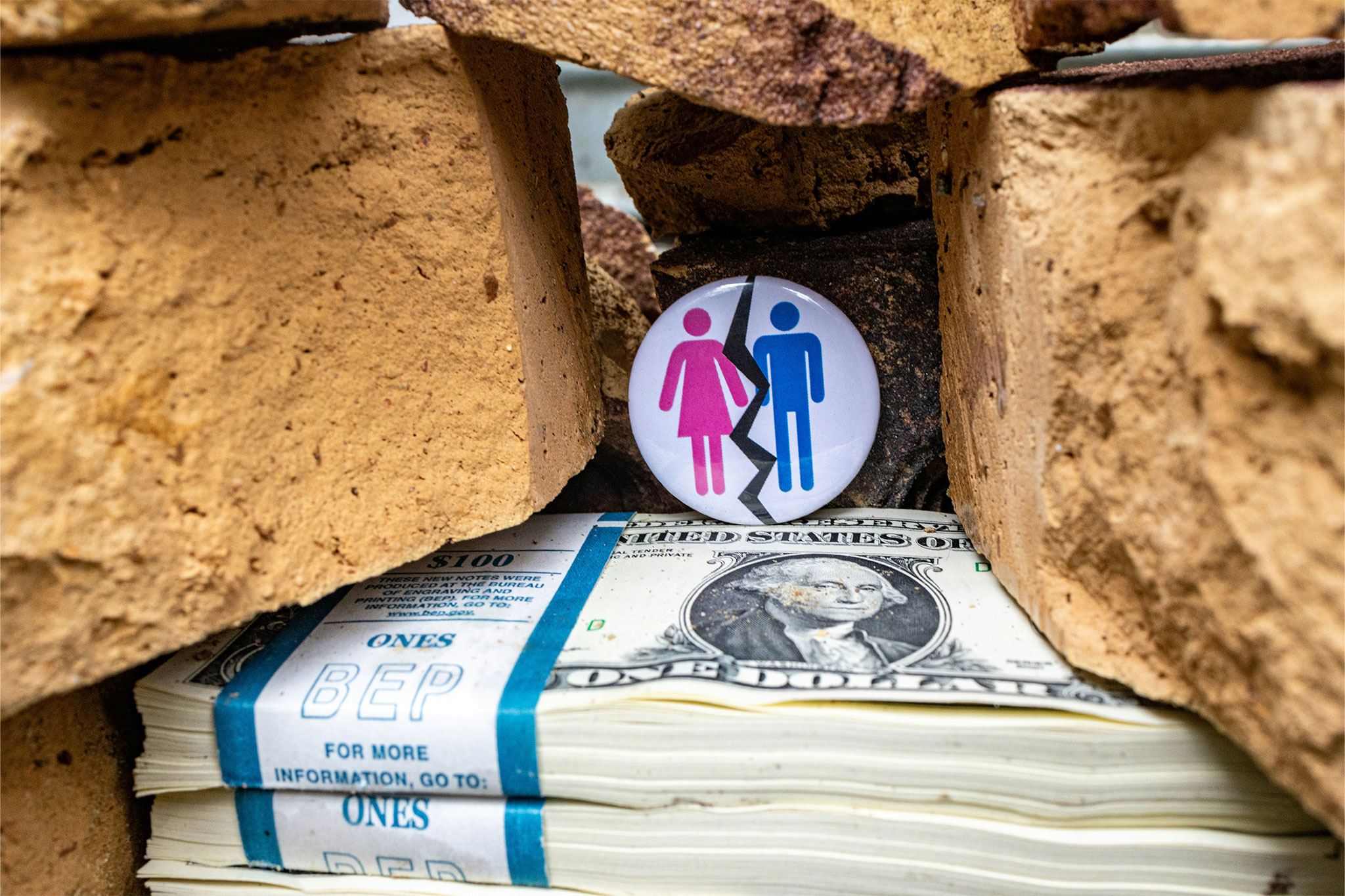
Nothing kills the mood faster than arguing over who’s picking up the check. A recent survey found that money is the number one cause of stress in relationships, even more than intimacy or in-laws.
So why do we wait until things get serious to talk about it? The truth is, how we spend, save, and share money shows up early in dating.
These conversations may not feel sexy, but they’re crucial. You’re not building a financial plan. You’re building trust. And trust starts with small, honest conversations before resentment takes root.
Let’s explore how those early money moments reveal a lot about your relationship and how to talk about them without killing the vibe.
If you’re experiencing financial stress in your relationship, consider exploring couples therapy in Las Vegas to address underlying issues.
Early Clues in How You Handle Money Together
You don’t need a joint bank account to start noticing money dynamics. They show up in the small stuff: who picks up the tab, whether someone hesitates before suggesting a pricey restaurant, or how the two of you discuss money while planning a weekend trip. These little decisions tell a much bigger story.
Take this couple I worked with, let’s call them Jake and Maya. For the first few months, Jake paid for everything. He didn’t mind, but one night he made a light joke: “Guess I’m your personal ATM now.” Maya didn’t laugh. She shot back, “You’re the guy, right?” Boom, conflict. What seemed like a harmless pattern actually masked deeper assumptions about gender, expectations, and value.
That’s the thing about money, it’s never just about dollars. It’s about what we think money means. Power. Love. Independence. Stability. And those meanings show up whether we’re splitting a Lyft or planning a vacation.
One person might see generosity; the other sees imbalance. One might view paying as a way to show care; the other may feel pressure or guilt. These feelings usually aren’t voiced right away, but they’re felt.
I always tell couples: Don’t wait until someone feels taken for granted. Pay attention to how money moves between you. Because it’s not about the cost of dinner, it’s about what that dinner means to each of you. And if one person ends up handling the money decisions–even casually–those early habits can turn into patterns where one partner carries the full load. That might work for a while, but over time it can lead to stress, isolation, or blame when financial issues arise.
Understanding these patterns is crucial, which is why our couples counseling focuses on communication and financial dynamics.
How Background Shapes Money Behavior
We don’t enter relationships with a clean slate; we bring our past with us, especially when it comes to money. Some people grow up clipping coupons and watching every dollar. Others never had to think twice about spending. Neither is wrong, but when two different money worlds collide, tension can follow.
Here is another example of a time when I worked with a couple, whom we’ll call Aaron and Lily. Aaron’s parents lost their home during the 2008 financial crisis. He learned early that money meant survival. Lily, on the other hand, came from comfort. Her parents never discussed budgeting; things just worked out. You can imagine how their dinner conversations went when Aaron questioned her weekly takeout habits, and she rolled her eyes at his color-coded spreadsheets.
This isn’t about who’s “better” with money. It’s about understanding the emotional wiring underneath. One partner may see saving as safety, while the other sees it as a restriction. Some treat money as a means to feel free, while others view it as a means to feel secure.
So I ask you: What did money feel like in your home growing up? Was it a source of stress? Control? Abundance? Did your family talk openly about it, or avoid the topic completely?
Those early messages shape the way you approach finances now, even when you’re just dating. The more awareness you have, the easier it becomes to explain why something matters to you, instead of just reacting when it feels off.
Reflecting on this can be the first step toward healing, and couples therapy can guide you through this process.

Avoiding Red Flags: What to Watch For Early On
Not every money disagreement means trouble. Couples argue, and that’s normal. But some patterns are worth paying attention to.
Watch for these red flags:
- Secrecy: One partner hides purchases or avoids talking about money altogether. This can create distance and mistrust.
- Guilt-tripping: When money becomes a weapon, like making you feel bad for how you spend or implying you “owe” the other person.
- Financial control: If one partner makes all the decisions about money, including who pays and what’s spent, without involving the other, that’s a warning sign.
On the other hand, green flags show healthier dynamics:
- Curiosity: Partners who ask questions and want to understand each other’s money mindset.
- Openness: Feeling safe to share without judgment, even about mistakes or different habits.
- Shared effort: Both partners contribute fairly, whether it’s splitting bills or keeping track of spending.
I’ve seen couples where one acts as the “Venmo scorekeeper,” tallying every cent as if it were a competition. That usually means there’s mistrust lurking under the surface. Then there’s the “just use my dad’s card” partner, avoiding responsibility altogether. Neither helps build a strong, trusting money relationship.
Communication is important, but money issues often point to deeper relationship patterns. This blog explains why couples therapy may need to go beyond surface-level fixes.
Tips to Start the Conversation Gently
- Bringing up money early in dating doesn’t have to kill the mood. The trick is to approach it with curiosity, not confrontation. Think of it as getting to know each other better, not launching an interrogation.
- Timing matters, too. Don’t dive into money talks right after a stressful day or during a big argument. Instead, find neutral moments, perhaps while cooking dinner together, on a casual walk, or even when something light-hearted arises, like planning a weekend outing.
- Start small. You might ask, “Did your family talk about money openly when you were growing up?” It’s a simple question that opens the door to deeper conversations without putting pressure on.
- Another good one: “What’s your idea of feeling financially secure?” This helps you understand what money means to them, whether it’s saving for peace of mind or having the freedom to spend.
- Or keep it practical: “How do you usually handle bills when you’re dating?” It’s a way to get on the same page without making things awkward.
I’ve seen couples shift from avoiding money talks to sharing openly just by starting with these gentle questions. It’s less about the answers and more about building trust through honest, low-stakes conversation.
As your relationship grows, consider making these money conversations a regular habit, even just once a month. Keeping communication open can prevent misunderstandings and strengthen your connection over time.
As your relationship grows, consider making these money conversations a regular habit—even just once a month. Learn how a couples therapy session can help with this.
Honesty Now, Harmony Later
I want to challenge you today: don’t think of money talks as planning a wedding. Think of them as building trust. You’re not rushing into forever, you’re just learning how the other person sees the world.
Small, respectful conversations now lay the groundwork for everything that comes next. They help you avoid surprises and stop resentment before it starts. More importantly, these talks help you feel connected as partners facing life together, not individuals managing separate checklists.
If you’ve never had a money talk, try one this week. Even ten minutes can open doors and ease tension. And if you find yourself stuck or unsure how to start, don’t hesitate to reach out to me. Sometimes a little guidance makes all the difference.
Explore these dynamics further: Couples and Marriage Counseling Services Las Vegas.